
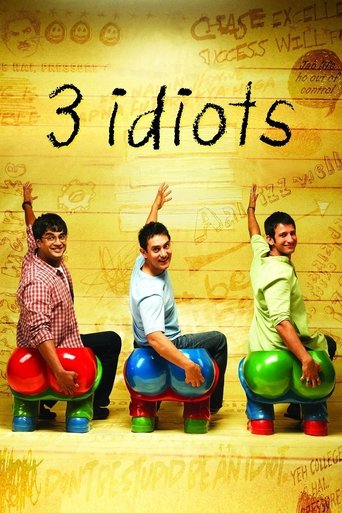
 Hindi3 Idiots2009 · 171 min
Bollywood movies
View all (60)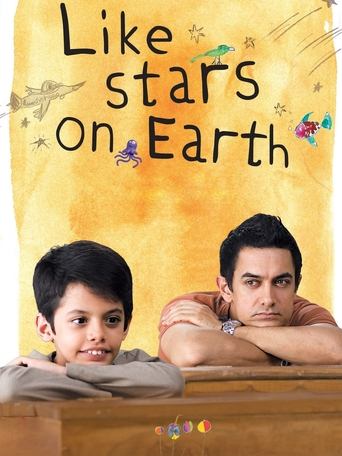 Hindi
 Hindi
 Hindi
 Hindi
 Hindi
 Hindi
 Hindi
Hollywood movies
View all (50) EnglishJurassic Park1993 · 127 min
 EnglishJumanji1995 · 104 min
 EnglishHome Alone 2: Lost in New York1992 · 120 min
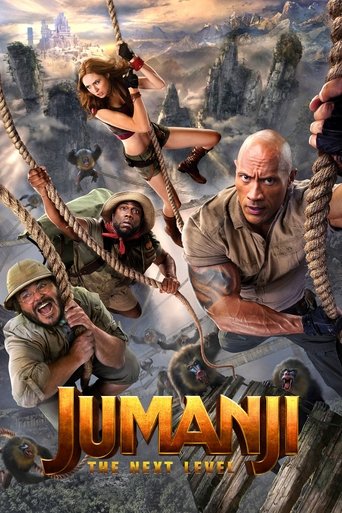 EnglishJumanji: The Next Level2019 · 123 min
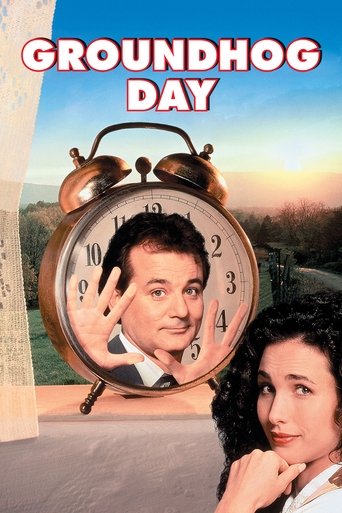 EnglishGroundhog Day1993 · 101 min
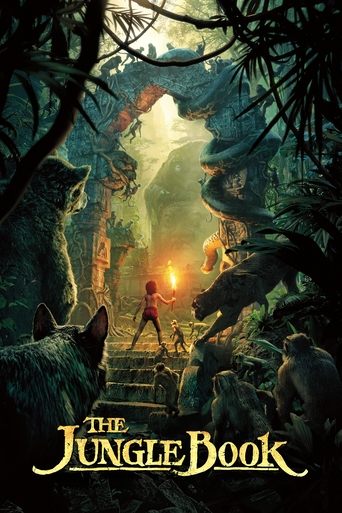 EnglishThe Jungle Book2016 · 106 min
 EnglishThe Secret Life of Walter Mitty2013 · 114 min
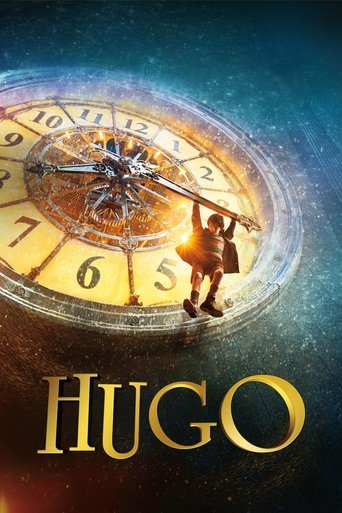 EnglishHugo2011 · 126 min
South and Marathi movies
View all (39)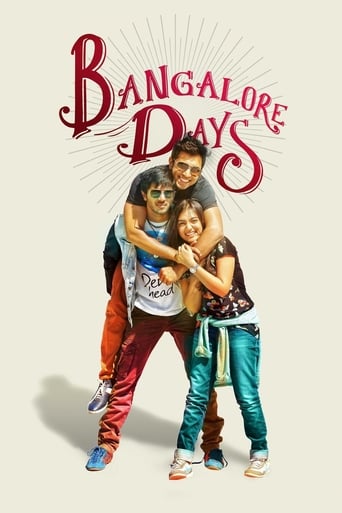 Malayalam
 Malayalam
 Tamil
 Tamil
 Telugu
 Kannada
 Malayalam
 Tamil
TV series
View all (32) English
 English
 English
 English
 English
 English
 English
 English
More lists
Top rated titles 57Tamil movies 12Telugu movies 12Malayalam movies 10Kannada and Marathi movies 5Comedy 114Drama 107Romance 62Family 59Adventure and fantasy 67Before 2000 20The 2000s 44The 2010s 95The 2020s 22
The AJHDMovies guide
AJHDMovies: Bollywood, Hollywood, South Indian and Marathi movies and TV series, from 3 Idiots, Lagaan and Jersey to Jurassic Park and The Good Doctor
AJHDMovies is a guide in four sections. The first holds sixty Bollywood movies in Hindi. The second holds fifty Hollywood movies of the adventurous and fantastic kind. The third holds thirty-nine movies from the Tamil, Telugu, Malayalam, Kannada and Marathi industries. The fourth holds thirty-two English-language TV series. That makes 181 titles, made between 1957 and 2025, and each has a page with its cast, a summary and a Watch now button. The 149 movies run to about 340 hours, and the series to 130 seasons and 1,922 dated episodes.
The four sections reflect how a great many households in India, and Indian households abroad, actually watch. A Hindi film on one evening, a Hollywood adventure on the next, a Malayalam or Tamil film that a friend insisted on at the weekend, and an American series running through the week: the mixture is ordinary, yet most catalogues keep these things on separate sites. Here they share a menu.
The title pages are written in English, with every film's original title shown beside its English one, and a language label on each poster tells the sections apart at a glance. All titles were screened by hand for a family audience, so the lists favour comedy, romance, family drama, sport, true stories and adventure.
This guide explains the page, goes through the four sections and the languages of the third, and then crosses them by kind and by date. The short version is on How to watch with AJHDMovies.
How AJHDMovies works
The page is white with a black header, and green is its one colour. The header carries the green AJ HD mark, a menu reading Home, Bollywood, Hollywood, South and Marathi, TV Series, Top rated and A-Z, and the green My Movies button. A green Note strip under the header reminds the visitor of the four sections.
The home page opens with the name of the guide in thin type and a Search by name box. Four blocks follow, one per section, each with eight portrait posters in rows of four and a green button leading to the whole list. A poster has a small green label with its language, and under it come the title, the year and the length: minutes for a movie, seasons for a series. A strip of further lists and this guide close the page.
A title page gives the title, the original title where it differs, tags for the year, the length and the genres, the summary, the Watch now button and the list button. A panel beside them has a selector with fifteen countries, India first; choose one, press the button, and JustWatch lists the subscription, rental, purchase and free services that carry the title there. A table of facts with the original language, the cast and the director complete the page, and a series page adds every season with its dated episodes. Finding a title covers the search box and the lists.
How the sections are built
Each section was filled in the same way: the candidates were ranked by the number of people who have rated them, read through by hand, and the leading ones kept. The Bollywood section takes Hindi-language films of any date. The Hollywood section takes English-language films from 1990 onwards that carry an adventure, fantasy, science fiction or action tag, which is the kind of American film that travels best and is most often shown in India with a Hindi soundtrack.
The third section draws on five industries. Twelve films each come from Tamil and Telugu cinema, ten from Malayalam, three from Kannada and two from Marathi. The Marathi and Kannada shelves are short because the guide lists only films whose pages can be given in full English, and they will grow as more are documented. The TV section takes English-language series first shown from 2005 onwards with eight seasons at most. The four sections page gives the outline.
Bollywood: the films everyone has seen
The Bollywood block on the home page is led by three films with Aamir Khan. 3 Idiots, directed by Rajkumar Hirani in 2009, follows three friends through an engineering college whose director believes in pressure above all, and argues, with songs and a great deal of comedy, that learning ought to be a pleasure. Like Stars on Earth is about an eight-year-old who is thought lazy until an art teacher recognises that he is dyslexic. Both hold a score of 8.0.
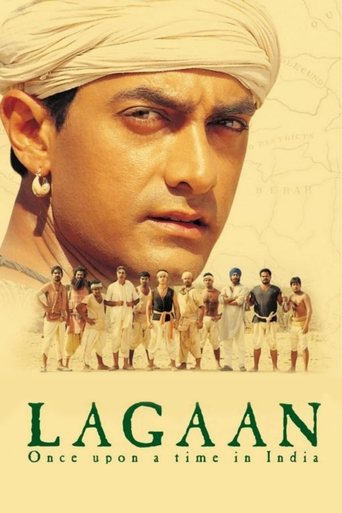
Lagaan: Once Upon a Time in India is set in 1893. A village crushed by drought is offered a wager by a British officer: beat his men at cricket and be free of the tax for three years, or lose and pay it threefold. The villagers are complete strangers to the game. At 233 minutes it is the longest film in the guide, and the match that fills its last hour is among the most gripping sporting contests ever staged for the screen. It was nominated for the Academy Award for foreign-language film.
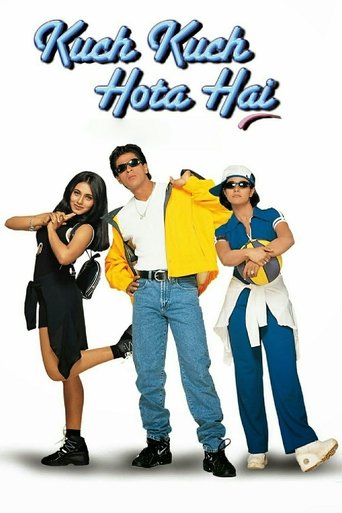
Shah Rukh Khan appears in more films here than any other actor. The romances that made his name in the 1990s are Kuch Kuch Hota Hai, Dil To Pagal Hai, Pardes and Yes Boss. The family epic Kabhi Khushi Kabhie Gham and the campus drama Mohabbatein set him beside Amitabh Bachchan. Kal Ho Naa Ho takes him to New York, Chalte Chalte into a marriage, and Dear Zindagi, years later, into the chair of a therapist.
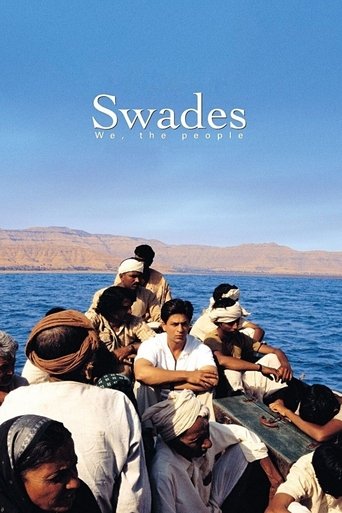
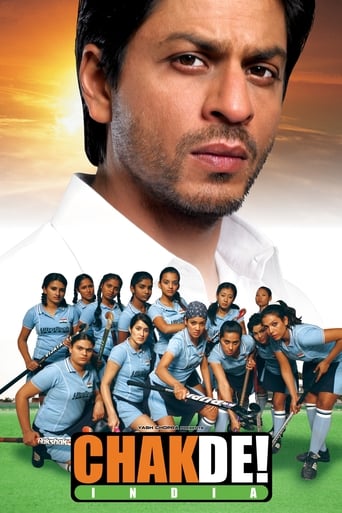
Two of his films stand a little apart. In Swades he plays a scientist at NASA who returns to find the woman who raised him and stays to bring electricity to her village. In Chak De! India he is a disgraced hockey player who coaches the national women's team, sixteen players from as many states who must first learn to be one side. Both were made by directors with something to say about the country, and both have grown in reputation with the years.
Bollywood: friends, families and first jobs
Dil Chahta Hai, made by Farhan Akhtar in 2001, changed the look and sound of Hindi cinema: three friends from Mumbai, a road trip to Goa, and dialogue that sounded like people actually speaking. Its children are everywhere in this section. Wake Up Sid follows a spoilt graduate learning to stand on his own feet, Yeh Jawaani Hai Deewani a group of friends from a trek in the Himalayas to a wedding eight years on, and Chhichhore a set of hostel mates who called themselves the losers of their college.
Jab We Met begins on a night train, where a heartbroken businessman meets a girl who talks enough for both of them. Its director, Imtiaz Ali, also made Tamasha, which opens in Corsica, and Jab Harry Met Sejal. Band Baaja Baaraat sets two young wedding planners to work in Delhi, and Rocket Singh: Salesman of the Year gives an honest graduate a job selling computers in a dishonest office.
The family dramas include Kapoor & Sons, in which two brothers return home for their grandfather's ninetieth birthday, Dil Dhadakne Do, set aboard a cruise ship, Piku, where a daughter drives her difficult father from Delhi to Kolkata, and Baghban, about parents and their grown children. Udaan is the hardest and the best of them: a boy sent home from boarding school to a father who has forgotten how to be kind.
The oldest films of the section are Mother India, Mehboob Khan's 1957 epic of a village woman who raises her sons alone, with Nargis in the title part, and Maine Pyar Kiya, the 1989 romance that made Salman Khan a star. The Bollywood guide sorts the sixty.
Bollywood: small towns and true stories
From about 2012 Hindi cinema turned to the smaller cities, and some of its warmest films came of it. Bareilly Ki Barfi is a comedy of mistaken authorship in Uttar Pradesh. Dum Laga Ke Haisha is set in Haridwar in 1995, where a young man who runs a cassette shop is married against his wishes and slowly learns the worth of his wife. Sui Dhaaga - Made in India follows a tailor and an embroiderer who start their own label, and Badrinath Ki Dulhania a suitor from Jhansi who must grow up before he is accepted.
Women lead many of the best. In Queen, a Delhi bride whose wedding is called off goes on her honeymoon to Paris and Amsterdam alone, and comes home changed. In English Vinglish, Sridevi plays a mother teased by her family for her poor English, who enrols in secret in a language class in New York. Hichki has Rani Mukerji as a teacher with Tourette syndrome given the school's most difficult class, and Khoobsurat sends a cheerful physiotherapist into a very formal royal household.
School and study are a constant theme. Hindi Medium is a satire about a couple who will do anything to get their daughter into an English-language school. Super 30 tells of Anand Kumar, the mathematics teacher of Patna who coaches thirty poor students a year for the hardest entrance examination in India. 12th Fail, from 2023, follows a village boy who fails his school examination and goes on to sit for the civil service; it is drawn from a real life and holds a score of 7.9.
Other true stories and histories are M.S. Dhoni: The Untold Story, on the cricket captain from Ranchi, Newton, a comedy about a clerk determined to hold a fair election in a jungle constituency, and Mohenjo Daro, an adventure set in the ancient city on the Indus. Barfi! is a tender comedy about a deaf young man in Darjeeling, told almost in the manner of a silent film, and Lootera sets a short story by O. Henry in Bengal in the 1950s.
The lighter end of the section holds Jolly LLB, a courtroom comedy, 2 States, Hasee Toh Phasee, Hum Tum, Mujhse Shaadi Karogi, Namastey London, Love per Square Foot, about two bank clerks who agree to marry for the sake of a flat, October, Zero, Ae Dil Hai Mushkil, Tu Jhoothi Main Makkaar, the dance film ABCD 2, Mujhse Dosti Karoge! and the newest entry, Saiyaara.
Hollywood: adventure for the whole house
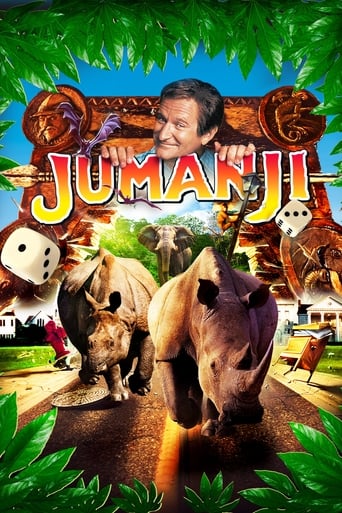
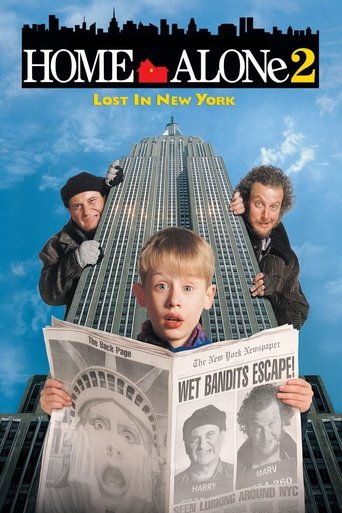
The Hollywood section was chosen for the films that cross languages most easily, and its fifty titles are led by Jurassic Park. Steven Spielberg's dinosaurs need very little translation, and the film holds a score of 8.0 from the largest audience in the guide. Jumanji and its sequel Jumanji: The Next Level stand close behind, with Home Alone 2: Lost in New York.
Many of the films come from well-loved books. The Jungle Book returns Kipling's Mowgli to an Indian forest created by computer. Hugo is set in a Paris railway station, Paddington in a London of kind strangers, and The BFG in a land of giants. The Golden Compass, Inkheart and The Chronicles of Narnia: The Voyage of the Dawn Treader are fantasies, and Journey to the Center of the Earth and Journey 2: The Mysterious Island take their ideas from Jules Verne.
Disney's remakes and sequels of its own classics fill a shelf: Cinderella, Dumbo, Pete's Dragon, Mary Poppins Returns, Christopher Robin and The Nutcracker and the Four Realms. Jungle Cruise sends Dwayne Johnson and Emily Blunt up the Amazon, and Star Trek Beyond is the section's voyage into space.
The comedies with a touch of magic are Groundhog Day, Liar Liar, 17 Again, Elf, Flubber and Tooth Fairy. Animals lead Dolittle, Doctor Dolittle, Stuart Little 2, Garfield: A Tail of Two Kitties, A Dog's Purpose and Togo, the true story of a sled dog in Alaska and the highest score in the section at 8.1. Cool Runnings and Eddie the Eagle are two true tales of unlikely Olympians, and Hunt for the Wilderpeople is a chase through the New Zealand bush. The Hollywood guide sorts the fifty.
South and Marathi: Tamil cinema
The third section opens the door to industries that many Hindi-speaking viewers know mainly through remakes. Tamil cinema, made in Chennai, supplies twelve films. Two are by Mani Ratnam, the most admired director in the south. Iruvar, from 1997, traces the friendship and rivalry of a film star and a writer who both rise to political power, with Mohanlal and Prakash Raj, and gave Aishwarya Rai her first screen part. Alaipayuthey follows a young couple who marry in secret and then discover what marriage asks, to a celebrated score by A. R. Rahman.
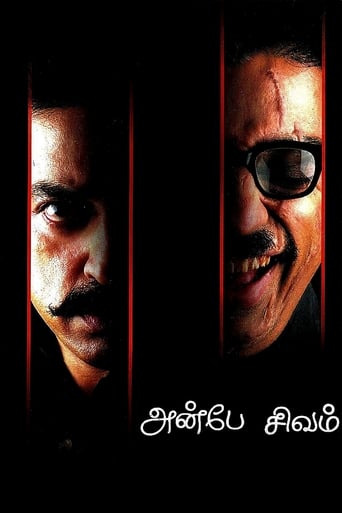
Anbe Sivam puts two opposites on the road together: a brash advertising man, played by R. Madhavan, and a scarred, good-humoured trade unionist, played by Kamal Haasan, stranded far from home by floods. It was little noticed on release in 2003 and is now counted among the finest Tamil films. Kaaka Muttai is about two brothers from a Chennai slum who want, more than anything, to taste a pizza; its child actors are a delight, and it scores 7.8.
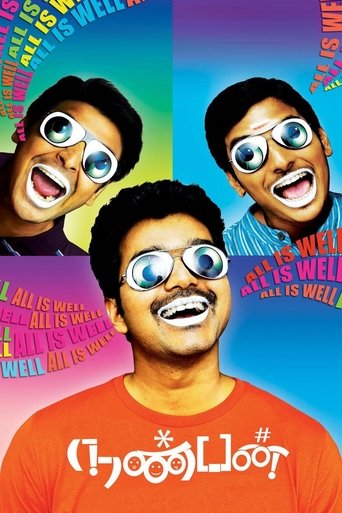
Nanban is the Tamil version of 3 Idiots, made by the director Shankar with Vijay, and the two can be watched side by side. Meiyazhagan, from 2024, has the highest score of any film in the guide at 8.2: a man returns to his home town after twenty-two years and spends a night in the company of a cheerful relative whose name he is too embarrassed to ask.
The romances are Vinnaithaandi Varuvaayaa, in which an aspiring film-maker falls for the girl upstairs, Raja Rani, Sillunu Oru Kaadhal, Oh My Kadavule, where a husband is granted a second chance by a pair of unusual judges, and Dragon. Star follows a young man set on becoming an actor. The Tamil guide lists the twelve.
South and Marathi: Telugu cinema
Telugu cinema, based in Hyderabad and often called Tollywood, also supplies twelve films, and its oldest is a national treasure. Mayabazar, made in 1957, is a mythological comedy drawn from the Mahabharata, with N. T. Rama Rao as Krishna and S. V. Ranga Rao as the giant Ghatotkacha, who eats a wedding feast single-handed in one of the best-loved songs in Indian film. Its camera tricks, all done in the studio, still charm, and it holds a score of 8.0.
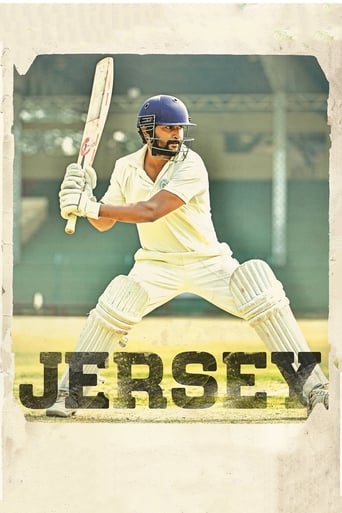
Mahanati is the life of Savitri, the actress who played the heroine of that very film, told through the eyes of two journalists; Keerthy Suresh won the National Award for the part. Jersey has Nani as a gifted cricketer who gave up the game and, at thirty-six, tries to return to it for the sake of his young son. It scores 8.0 and was later remade in Hindi.
The family film is a Telugu speciality. Manam brought three generations of the Akkineni acting family together in a story of rebirth, and was the last film of its eldest member. Seethamma Vakitlo Sirimalle Chettu is about two brothers and their gentle father, and Bommarillu about a son whose loving father decides everything for him.
The films of youth are Happy Days, four years at an engineering college, Pelli Choopulu, in which a match arranged by two families turns into a food-truck business, Khushi, 100% Love and Mr. Perfect. Radhe Shyam is a lavish romance set in Europe in the 1970s. The Telugu guide lists the twelve.
South and Marathi: Malayalam, Kannada and Marathi cinema
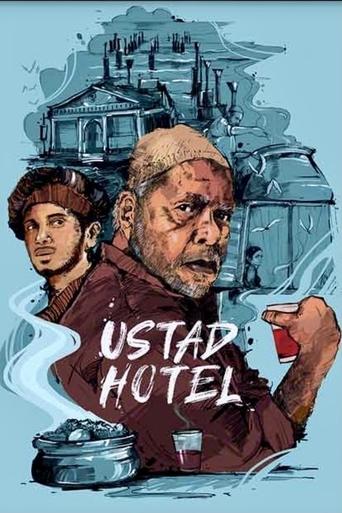
Malayalam cinema, from Kerala, is admired across India for its writing, and its ten films here show why. Bangalore Days follows three cousins who move to the city of their childhood dreams: one newly married, one a software engineer, one a motorcycle racer. Ustad Hotel sends a young man trained as a chef in Switzerland to his grandfather's small restaurant on the beach at Kozhikode, where he learns what cooking is for. Both star Dulquer Salmaan and both score 7.5 or more.
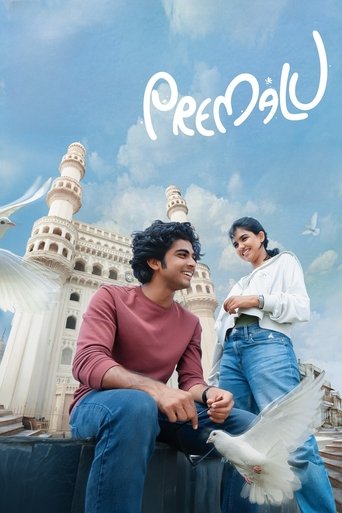
Kilukkam, from 1991, is a comedy set in the hill station of Ooty, with Mohanlal as a tourist guide and Jagathy Sreekumar as his hapless photographer friend; lines from it are still quoted in Kerala every day. North 24 Kaatham strands a fastidious software engineer on a day when all transport has stopped. Premalu and Thanneer Mathan Dinangal, by the same director, are light comedies of young love, and Ohm Shanthi Oshaana tells a girl's long pursuit of the man she has chosen. The Great Indian Kitchen is a quiet, pointed drama about the daily work of a new bride, and Jomonte Suvisheshangal and Guruvayoor Ambalanadayil are family comedies.
Kannada cinema, from Karnataka, contributes 777 Charlie, in which a solitary factory worker's life is turned upside down by a Labrador puppy, Kirik Party, a college comedy that became one of the industry's largest successes, and Love Mocktail. From Marathi cinema come Harishchandrachi Factory, a comedy about Dadasaheb Phalke making India's first feature film in 1913 with a borrowed camera and a cast of the unwilling, and Duniyadari, a story of college friendship in the 1970s. The South and Marathi guide sorts all thirty-nine, and separate pages cover Malayalam and Kannada and Marathi.
TV series
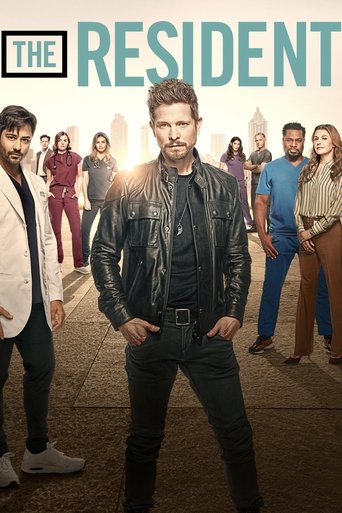
The fourth section holds thirty-two English-language series, 130 seasons and 1,922 dated episodes in all. Three hospital dramas stand at its head. The Good Doctor, about a young surgeon with autism, has the highest score in the guide at 8.5 and ran for seven seasons. The Resident and New Amsterdam, which both began in 2018, look at how a hospital is run as well as at its patients.
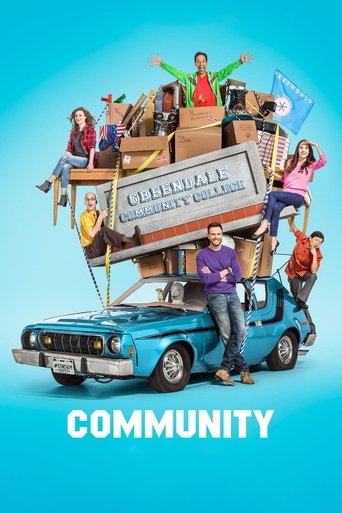
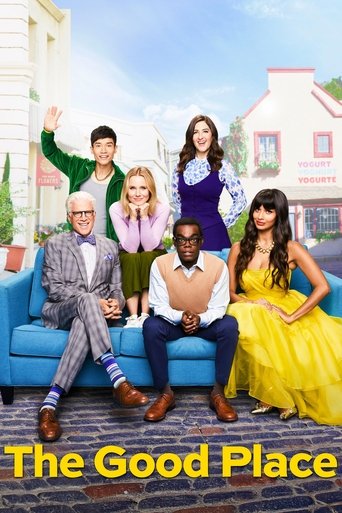
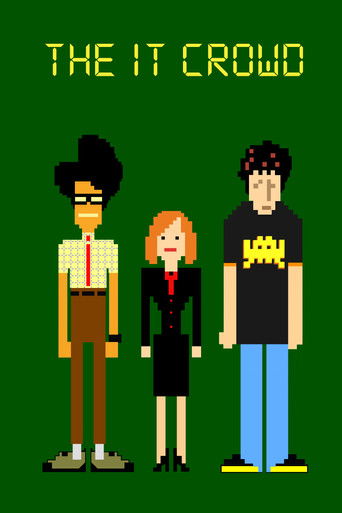
The comedies are Community, set in a study group at a community college, The Good Place, a comedy about ethics in the afterlife, Superstore, on the floor of a giant discount shop, Schitt's Creek, in which a rich family is reduced to a motel, and from Britain The IT Crowd and Man vs Bee, with Rowan Atkinson. The Marvelous Mrs. Maisel follows a housewife of the 1950s on to the comedy stage.
The dramas include Downton Abbey, six seasons in an English country house, The Newsroom, and Halt and Catch Fire, on the early years of the personal computer. Fantasy and science fiction are well supplied: Merlin, Foundation, Travelers, Warehouse 13, Eureka, The Librarians, Heroes Reborn and Amazing Stories.
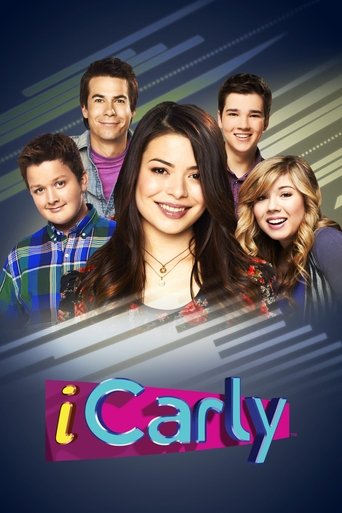
Series for younger viewers make up the rest: Victorious, Hannah Montana, The Suite Life of Zack & Cody, Girl Meets World, Fuller House, The Baby-Sitters Club, High School Musical: The Musical: The Series and the two Australian mermaid series, H2O: Just Add Water and Mako: Island of Secrets. Each series page lists every season with the dates of its episodes. The TV series guide sorts the thirty-two.
Top rated
The Top rated list gathers the fifty-seven titles with an audience score of 7.5 or more. The scores are TMDB averages of ratings by registered viewers, and each title page shows how many ratings lie behind its figure. By section the list holds twenty-six TV series, seventeen South and Marathi movies, nine Bollywood movies and five Hollywood movies.
The figures deserve a word of explanation. Series are rated mostly by viewers who stayed with them, so their scores run high everywhere. The southern films have fewer ratings each than the Bollywood ones, and those ratings come largely from devoted audiences, which lifts the average. The fifty Hollywood adventures, by contrast, have been rated by very large and mixed audiences, and a 7.0 among them is a strong mark.
The highest movies are Meiyazhagan at 8.2, then 3 Idiots, Like Stars on Earth, Jersey, Mayabazar and Jurassic Park at 8.0, 12th Fail and Oh My Kadavule at 7.9, and Kaaka Muttai and Premalu at 7.8. Kabhi Khushi Kabhie Gham, Chhichhore, Anbe Sivam, 777 Charlie and Kirik Party follow at 7.7. The top rated page explains the rule.
Long films and the interval
A visitor used to Hollywood running times will see at once that the Indian films are longer. The Hollywood section averages about an hour and three quarters; the Bollywood and southern sections average about two and a half hours. Lagaan: Once Upon a Time in India runs 233 minutes, Mohabbatein 216, Kabhi Khushi Kabhie Gham 209, Swades 195 and Maine Pyar Kiya 192.
The length has a reason. Indian films are built in two halves around an interval, with a turn in the story placed just before the break, and they carry five or six songs that are part of the telling. An evening at such a film is closer to an evening at the theatre than to a ninety-minute feature. At home the interval is easy to honour: pause where the film itself pauses, make tea, and come back for the second half.
The year and the running time are printed under every poster, so a shorter choice is always in view. Harishchandrachi Factory, The Great Indian Kitchen, Newton and Kaaka Muttai all finish inside two hours, and most of the Hollywood section is shorter still.
The stars, section by section
Indian cinema is a cinema of stars, and the search box is the quickest way to follow one. Shah Rukh Khan leads thirteen films in the guide, from Dil To Pagal Hai in 1997 to Dear Zindagi and Zero. Ranbir Kapoor appears in seven, among them Wake Up Sid, Rocket Singh: Salesman of the Year, Barfi! and Tamasha, which together show the widest range of any actor of his generation. Aamir Khan has four, each an event: Lagaan: Once Upon a Time in India, Dil Chahta Hai, Like Stars on Earth and 3 Idiots.
Among the women, Rani Mukerji and Anushka Sharma each appear in five films and Alia Bhatt in four. Deepika Padukone leads Piku, Yeh Jawaani Hai Deewani and Tamasha, Kangana Ranaut carries Queen, and Sridevi's return to the screen in English Vinglish after fifteen years away was one of the happiest comebacks in Hindi film. Amitabh Bachchan, in his sixties and seventies, is the father in Kabhi Khushi Kabhie Gham, Baghban and Piku and the stern headmaster of Mohabbatein.
In the south, Dulquer Salmaan appears in four films across two languages: Ustad Hotel, Bangalore Days and Jomonte Suvisheshangal in Malayalam and Mahanati in Telugu. Mohanlal, the great star of Kerala, is seen in Kilukkam and in the Tamil Iruvar. R. Madhavan crosses three sections' worth of industries, in Alaipayuthey and Anbe Sivam in Tamil and 3 Idiots in Hindi. Prabhas leads Mr. Perfect and Radhe Shyam, and Nivin Pauly and Nazriya Nazim are paired in both Bangalore Days and Ohm Shanthi Oshaana.
The Hollywood section has its regulars too. Robin Williams is in Jumanji, Flubber, RV and Night at the Museum: Secret of the Tomb, and Dwayne Johnson in Jumanji: The Next Level, Jungle Cruise, Journey 2: The Mysterious Island and Tooth Fairy.
Remakes and pairs across the sections
Stories travel freely between India's film industries, and a guide that holds several of them can show the journeys. The clearest pair is 3 Idiots and its Tamil remake Nanban, made three years apart with the same plot, many of the same scenes and quite different flavours of comedy. Watching both is a good lesson in what a star and a language bring to the same script.
Other links are looser. Happy Days in Telugu, Kirik Party in Kannada, Duniyadari in Marathi and Chhichhore in Hindi are four college films from four industries, each built on hostel friendships remembered years later. Bangalore Days in Malayalam and Dil Chahta Hai in Hindi both follow three young people through the choices of their twenties. Jersey and M.S. Dhoni: The Untold Story are two very different cricket films, one about a man the game forgot and one about its most successful captain, and Lagaan: Once Upon a Time in India stands behind both.
The Hollywood section offers echoes of its own. The Jungle Book is set in the forests of central India, and Hugo, with its celebration of early cinema, makes a natural companion to Harishchandrachi Factory, which shows what the same years of film history looked like from Bombay. Cool Runnings and Chak De! India are both about a discredited coach and a team that the world declines to take seriously.
Comedy, romance, family and adventure
Five genre lists cut across the sections. Comedy is the largest with 114 titles, drama follows with 107, and there are sixty-seven adventures and fantasies, sixty-two love stories and fifty-nine family titles. The labels mean slightly different things in each industry. A Hindi film tagged as comedy and drama will usually hold a romance and several songs as well, in the tradition that Indian audiences call a complete entertainer.
The romance list is where the sections meet most closely. It runs from the grand Hindi love stories of the 1990s through Jab We Met and Band Baaja Baaraat to the southern romances Vinnaithaandi Varuvaayaa, Pelli Choopulu and Premalu, with Cinderella and Groundhog Day from Hollywood. Read in order of date, it shows courtship on screen moving from Swiss meadows to shared flats, night trains and office canteens.
The family list is led by the Hollywood section, with Paddington, The Jungle Book, Elf and Christopher Robin, and by the school-age series. Indian films suited to younger viewers include Like Stars on Earth, Kaaka Muttai, 777 Charlie, Hichki and Chak De! India. The adventure and fantasy list is mostly Hollywood, joined by Mayabazar, Mohenjo Daro, Lagaan: Once Upon a Time in India and the fantasy series. The genre lists page gives the counts.
Sport and the classroom
Two subjects deserve their own paragraph, since Indian cinema returns to them so often and so well. The first is sport. Cricket supplies Lagaan: Once Upon a Time in India, M.S. Dhoni: The Untold Story and Jersey; hockey supplies Chak De! India; and the Hollywood section adds the bobsled of Cool Runnings, the ski jump of Eddie the Eagle and the sled race of Togo. In every one of them the contest is the least of it, and what matters is who the players have become by the final whistle.
The second is education. 3 Idiots and Nanban laugh at the engineering college; Chhichhore and Happy Days remember it fondly. Like Stars on Earth and Hichki are about what a single good teacher can do. Hindi Medium is about getting into a school, Super 30 and 12th Fail about the great competitive examinations, and English Vinglish about going back to class as an adult. Udaan and Wake Up Sid ask what happens when a young person wants a life other than the one planned for him. Taken together they amount to a long national conversation about what schooling is for.
Four periods
The titles are also divided by date. Twenty were made before 2000: the two classics of 1957, Mother India and Mayabazar, the Hindi romances of the late 1980s and 1990s, Kilukkam and Iruvar from the south, and eleven Hollywood films led by Jurassic Park.
Forty-four belong to the 2000s, the decade of Lagaan: Once Upon a Time in India, Dil Chahta Hai, Swades, Jab We Met and 3 Idiots, when Hindi cinema found new subjects and a new manner. Ninety-five, more than half the guide, belong to the 2010s, when the small-town comedy flourished in Hindi, Malayalam cinema found a national audience and most of the TV series began. Twenty-two come from the 2020s, among them 12th Fail, Premalu, Meiyazhagan, 777 Charlie and Saiyaara. The four periods page gives the outline.
Songs and the people who write them
A newcomer to Indian films sometimes treats the songs as interruptions. They are closer to the heart of the matter. A song in a Hindi or Tamil film does the work that a long speech or a montage does elsewhere: it lets a character say what plain dialogue is too small to hold, or carries a couple through months of courtship in four minutes. The soundtrack is released before the film and is often what brings the audience in.
Several of the great composers can be heard across the guide. A. R. Rahman, from Chennai, wrote the music for Lagaan: Once Upon a Time in India, Swades, Alaipayuthey, Iruvar, Vinnaithaandi Varuvaayaa and Tamasha, which is to say for some of the best-loved films in both Hindi and Tamil. The trio Shankar-Ehsaan-Loy scored Dil Chahta Hai, Kal Ho Naa Ho and Like Stars on Earth, and Pritam scored Jab We Met, Barfi! and Yeh Jawaani Hai Deewani.
The choreography is its own art. Dil To Pagal Hai is set in a dance company, ABCD 2 follows a troupe from a Mumbai suburb to a competition in Las Vegas, and the wedding numbers of Band Baaja Baaraat and Kabhi Khushi Kabhie Gham are danced at family functions to this day. A viewer who lets the first song play through will usually find that the film has won the argument.
Languages, titles and subtitles
Every title page in the guide is written in English, and the table of facts states the original language of the film. Where a film is known by an English title abroad and another at home, both are given: Like Stars on Earth is the film released in India as Taare Zameen Par, and the search box answers to either name.
The language labels on the posters read Hindi, Tamil, Telugu, Malayalam, Kannada, Marathi or English. They describe the language in which the film was made. Streaming services commonly offer the same film with a choice of soundtracks and subtitles, and a southern hit will often be available in Hindi as well as in its own language, just as the Hollywood adventures are. The services listed by JustWatch state which soundtracks and subtitles they carry.
It is worth watching a film in its own language at least once, with subtitles. The rhythm of Malayalam comedy and the grandeur of classical Telugu in Mayabazar are part of what the films are, and subtitles today are far better than they were a decade ago.
Seven evenings across the sections
A week drawn from all four sections might run as follows. Monday, a Bollywood comedy with a point to make: Hindi Medium. Tuesday, a Hollywood adventure for everyone: Paddington. Wednesday, a Malayalam film: Ustad Hotel, which is best watched after dinner, since it will make anyone hungry.
Thursday, two episodes of a series: The Good Place. Friday, a Tamil film with the family: Kaaka Muttai. Saturday, when there is time for it, the long one: Lagaan: Once Upon a Time in India, with the interval observed. And Sunday, a Telugu classic that grandparents and grandchildren can share: Mayabazar.
A second week could go to Queen, Hugo, Bangalore Days, Downton Abbey, Anbe Sivam, Swades and Jersey. The four section buttons in the menu make such a rotation simple to keep up, and the lists are long enough to carry it for months.
My Movies
My Movies is the list each visitor keeps. The list button beside Watch now on a title page adds the title, and the green My Movies button in the header opens the list from any page. For a series, the page also lets a viewer mark the episode reached. Everything is stored in the browser on the device in use, so the list is ready from the first visit and works free of any sign-up form, with name and phone number left unasked.
The list page can save the list as a file, which is the way to carry it to another device or to share it with a relative who keeps asking what to watch. A good habit is to add a film the moment someone recommends it, with the section label to remind you later which industry it came from. The My Movies page gives the steps.
Where the titles play
AJHDMovies is a guide, and the films and episodes themselves are held by the streaming services. The Watch now button passes the title and the chosen country to JustWatch, which records each day what every service offers. India stands first in the selector, followed by the United States, the United Kingdom, Canada, Australia, the United Arab Emirates, Singapore and eight more countries where Indian films have large audiences.
Availability varies a good deal by country. Hindi films are widely carried by the large international services and by Indian ones. Southern films usually sit with the service that bought them at release, and older classics such as Mother India and Mayabazar appear on free services supported by advertising and on the official channels of their producers. The Hollywood films and the TV series can be rented or bought almost everywhere. The answer shown is always the one for today.
Directors worth following
The search box answers to directors' names as well as actors', and a few are worth typing in. Rajkumar Hirani, who made 3 Idiots, is known for comedies that carry a moral lightly. Ashutosh Gowariker made Lagaan: Once Upon a Time in India, Swades and Mohenjo Daro, three films on a large canvas about India's past and present. Karan Johar's Kuch Kuch Hota Hai, Kabhi Khushi Kabhie Gham and Ae Dil Hai Mushkil define the glossy family romance, and his company produced Kal Ho Naa Ho, Wake Up Sid and Kapoor & Sons.
Imtiaz Ali's three films here are all journeys, and Zoya Akhtar's Dil Dhadakne Do puts a whole quarrelling family to sea. Gauri Shinde wrote and directed both English Vinglish and Dear Zindagi, two of the most generous films in the section. Shoojit Sircar made Piku and October, Ayan Mukerji Wake Up Sid and Yeh Jawaani Hai Deewani, and Vikramaditya Motwane Udaan and Lootera, a pair that could hardly be less alike. Sharat Katariya is behind both Dum Laga Ke Haisha and Sui Dhaaga - Made in India.
In the south, Mani Ratnam has been named. Gautham Vasudev Menon made Vinnaithaandi Varuvaayaa, Anjali Menon wrote Ustad Hotel and directed Bangalore Days, and Sekhar Kammula's Happy Days began a long line of Telugu campus films. Ashwath Marimuthu directed both Oh My Kadavule and Dragon, and Girish A. D. both Thanneer Mathan Dinangal and Premalu. Nag Ashwin's Mahanati announced a director who would go on to far larger productions.
The Hollywood section rewards the same approach on a smaller scale. Steven Spielberg directed Jurassic Park and The BFG, Jon Favreau Elf and The Jungle Book, Martin Scorsese Hugo, Kenneth Branagh Cinderella, and Taika Waititi Hunt for the Wilderpeople. Following a director is often the surest way from a film one loved to another one will.
A first Indian film
Some visitors will arrive from the Hollywood or TV sections and wonder where to begin with the others. Three films make easy first steps. 3 Idiots is funny within its first five minutes and has pleased audiences from China to Mexico. Queen is short by Hindi standards, largely set in Europe and carried by one wonderful performance. And Kaaka Muttai, at under two hours, needs only a liking for children and for pizza.
From there the paths divide by taste: towards the grand romances of the 1990s, the small-town comedies, the Malayalam films about food and family, or the long historical canvas of Lagaan: Once Upon a Time in India. The four sections and the language lists are laid out so that each of those paths begins one click from the home page.
Whichever path is taken, the Top rated list is a dependable companion. It mixes all four sections in one place, so a visitor who has enjoyed a hospital series can see at a glance which Tamil, Telugu or Hindi films audiences rate as highly, and try one the same evening. The language label and the running time under each poster say in advance what kind of evening it will be.
Questions and answers
Questions
What is AJHDMovies?
AJHDMovies is a guide to 181 movies and TV series in four sections: Bollywood, Hollywood, South and Marathi, and TV series. Each title has a page with its cast, a summary and a Watch now button.
How many titles does each section have?
Sixty Bollywood movies, fifty Hollywood movies, thirty-nine South and Marathi movies and thirty-two TV series.
Which languages are covered?
Hindi, English, Tamil, Telugu, Malayalam, Kannada and Marathi. A green label on each poster names the language in which the title was made.
Does AJHDMovies host the movies?
AJHDMovies is a guide only. Watch now opens JustWatch for the country you choose, which lists the subscription, rental, purchase and free services carrying the title.
Which movie has the highest score?
Meiyazhagan, a Tamil film of 2024, at 8.2. Five films stand at 8.0: 3 Idiots, Like Stars on Earth, Jersey, Mayabazar and Jurassic Park.
Which is the longest film?
Lagaan: Once Upon a Time in India, at 233 minutes. Indian films are built around an interval, and the running time is printed under every poster.
Are the pages in English?
Yes. Every page is written in English, with the original title of each film shown beside its English title.
Is the guide suitable for families?
Yes. Every title was screened by hand, and 59 are marked as family viewing, from Paddington and The Jungle Book to Like Stars on Earth.
What is My Movies?
My Movies is a personal list kept in the browser. A button on each title page adds or removes the title, and the green button in the header opens the list.
Is an account needed?
The whole guide is open to every visitor. Search, the four sections and My Movies all work from the first visit.
How do I find a title quickly?
Type part of its name, an actor or a year in the Search by name box, choose a section from the menu, or open the A-Z index.
Which countries does Watch now cover?
Fifteen, with India first, then the United States, the United Kingdom, Canada, Australia, the United Arab Emirates, Singapore and others.
